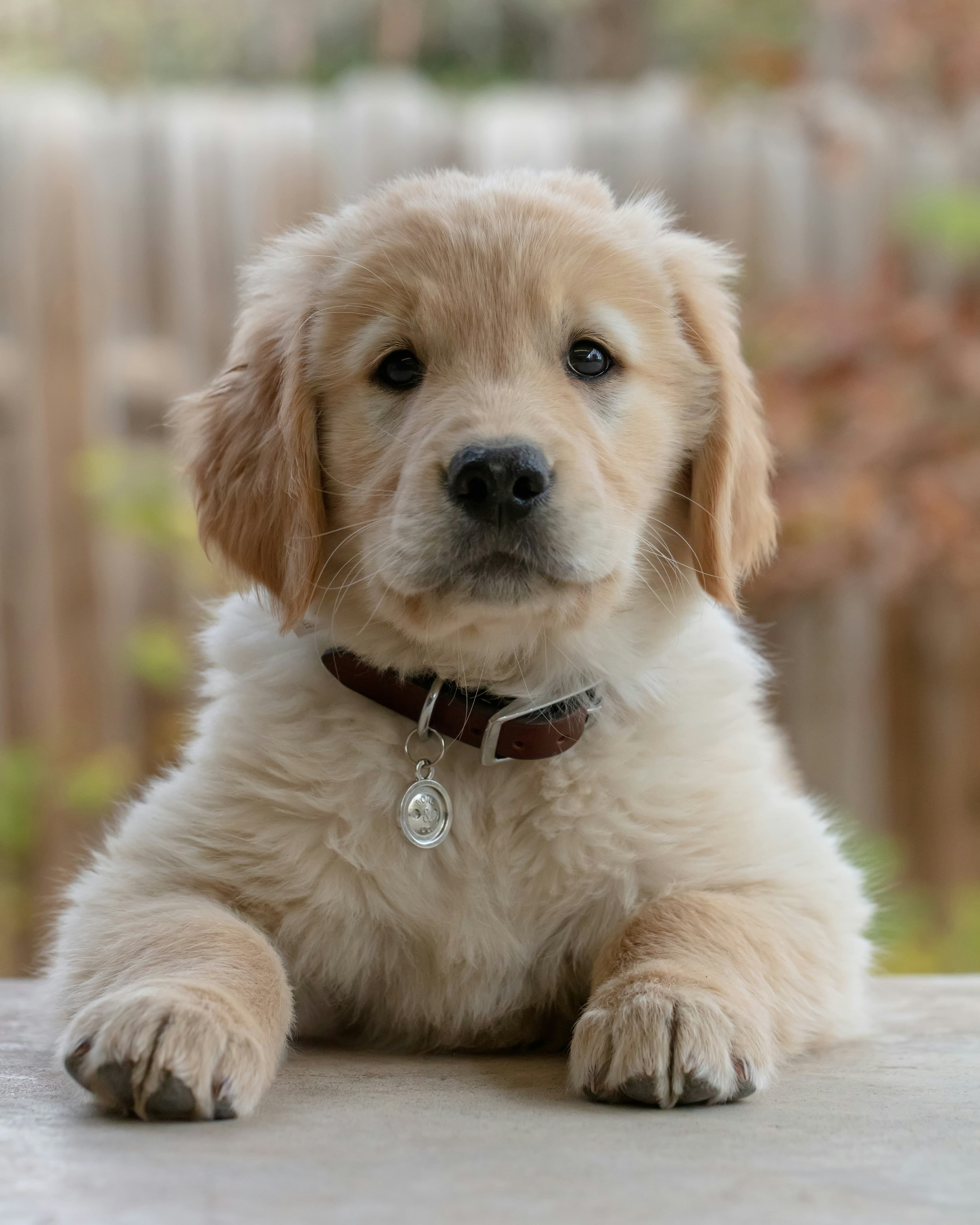
GrowthFeatured · Growth · 6 min min read
How fast do puppies grow? A week-by-week guide
From wobbly first steps to full-grown floof — here's exactly what to expect in every stage.
Updated WeeklyRead Article

Pawteller
Fast, SEO-focused calculators
Forget the old "multiply by 7" rule! Real dog aging is non-linear and depends on breed size. Our calculator uses the latest veterinary research to give you an accurate human-year equivalent.
Medium breeds (20-50 lbs) - standard aging curve
Human Age Equivalent
64
Senior
Your dog is entering their senior years. Regular vet checkups and a comfortable environment are important.
Different dog breeds age at different rates due to genetics and physiology
Chihuahua, Yorkshire Terrier
Live longer lives, aging slower in later years
Beagle, Cocker Spaniel
Balanced aging pattern, standard lifespan
Golden Retriever, German Shepherd
Mature faster, shorter overall lifespan
Great Dane, Saint Bernard
Age fastest, require extra care
Continue exploring Pawteller’s tools to support your dog’s nutrition and growth.
Estimate daily calories and cups based on weight, life stage, and activity level.
Calculate Dog FoodTrack your dog's gestation timeline, key developmental milestones, and estimated due date.
Track PregnancyRegular veterinary checkups, proper nutrition, exercise, and preventative care are essential for keeping your dog healthy throughout their life.
Schedule a Vet CheckupFrom wobbly first steps to full-grown floof — here's exactly what to expect in every stage.
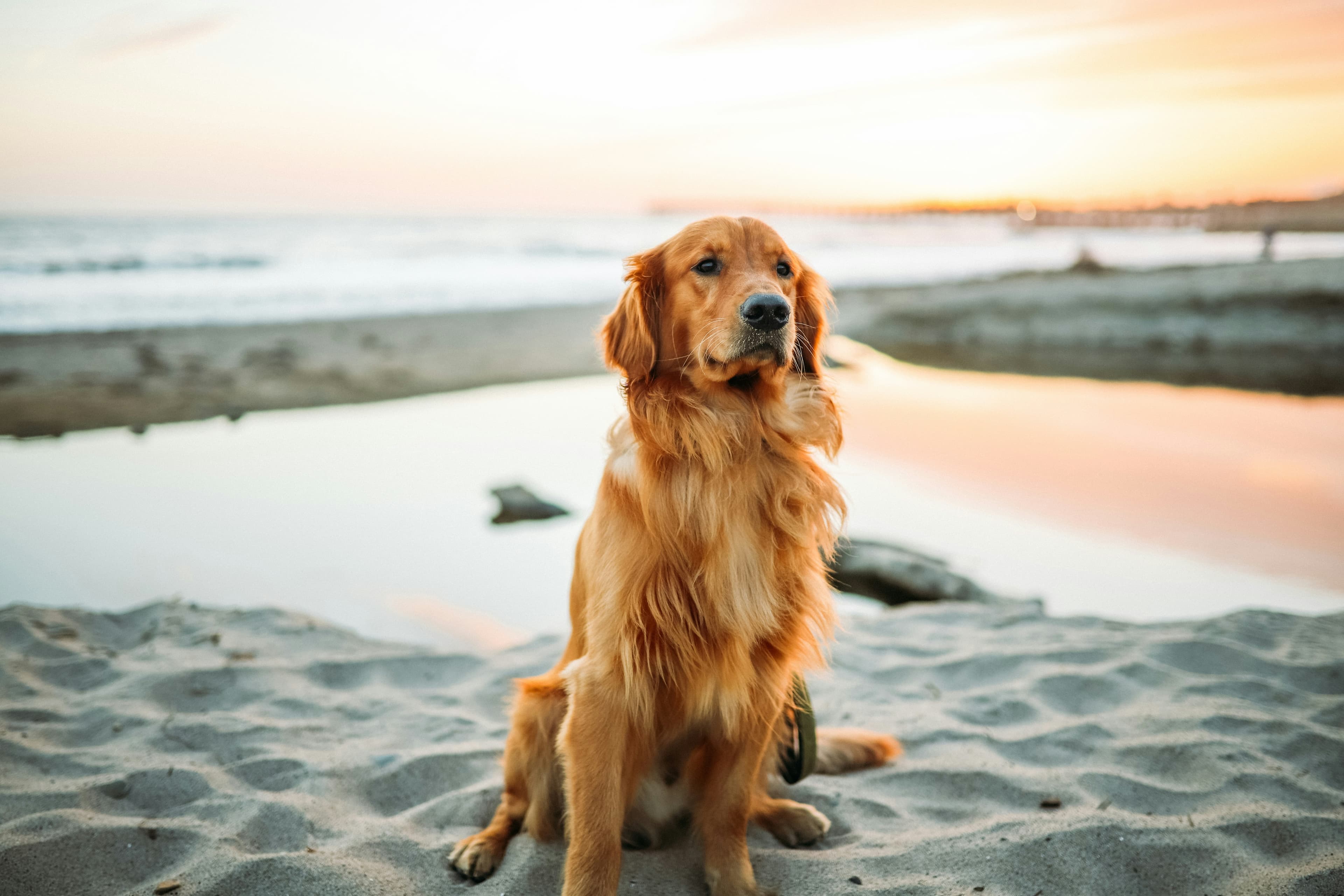
Why the “multiply by 7” rule is wrong, and what to use instead.